A missing key to an office or warehouse can affect a main entrance, a private room, storage or several openings. Start by identifying the access involved and telling the person responsible for the premises. A clear record helps the business request an appropriate assessment instead of assuming that every lock needs the same work.
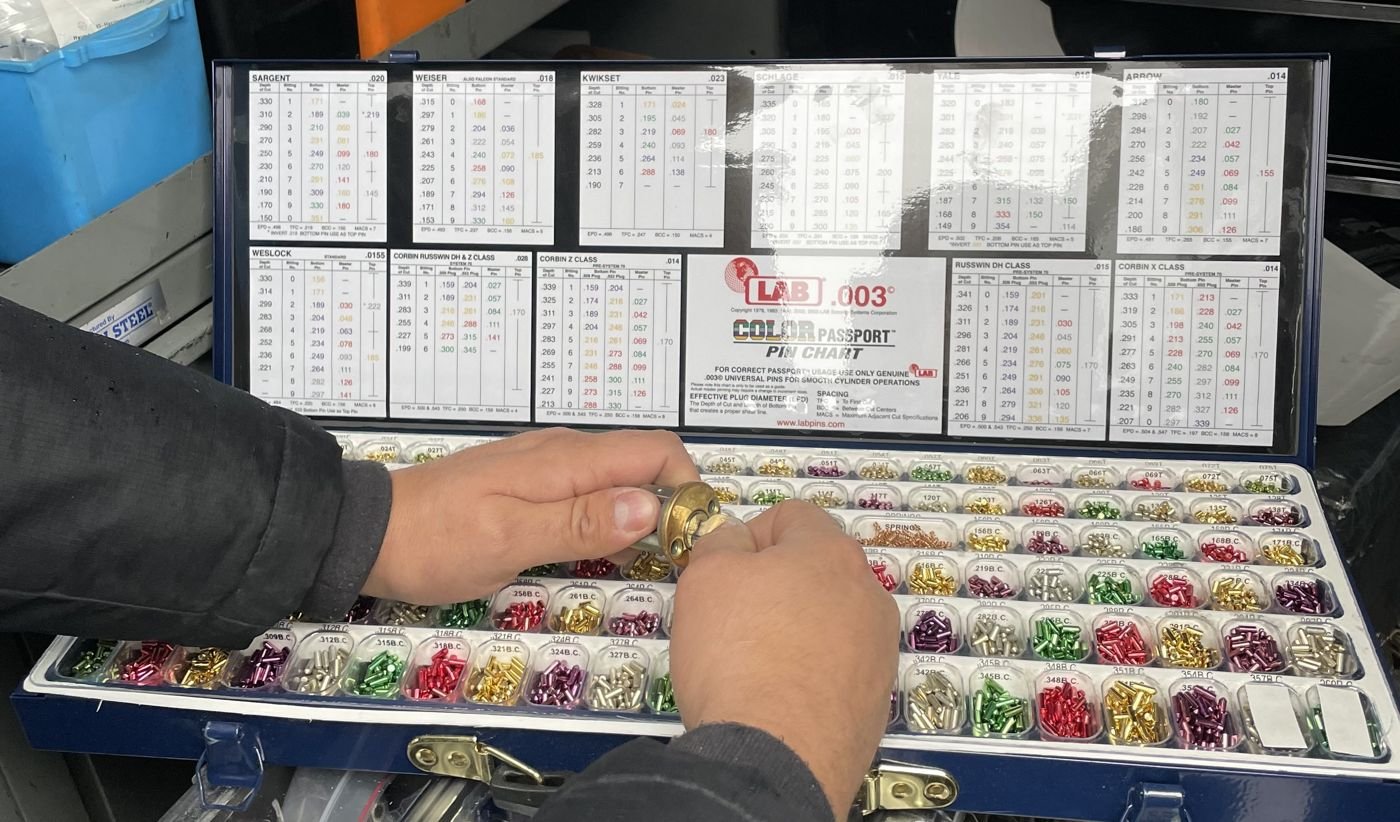
Identify the key and the affected access
Record the last known holder, the areas the key was intended to open, and whether other keys or electronic credentials are also missing. Use existing business records where available. Do not test an unidentified key on unrelated property or assume that similar-looking keys provide the same access.
If the key may have been stolen or the loss creates an immediate safety concern, follow the business’s incident procedures and contact the appropriate authorities as needed. Keep detailed access information within the authorized team.
Prepare a short access-impact record
| Record | Why it helps |
|---|---|
| Potentially affected doors | Defines the openings requiring assessment. |
| Key or credential type | Separates mechanical keys from fobs, gate codes and vehicle keys. |
| Existing access plan | Shows whether the key belongs to a documented hierarchy. |
| Operational needs | Identifies staff who must retain authorized access during work. |
| Approver | Establishes who can authorize changes. |
Report hardware faults separately
A door that does not latch, a damaged cylinder and a missing key are distinct problems. Describe each symptom rather than assuming one rekey request will resolve them all. Ask the provider to distinguish work that changes key access from work that repairs or replaces hardware.
Any proposed change must preserve safe exit and be appropriate for the opening. Do not obstruct an exit or improvise a locking arrangement while waiting for an assessment. Tell the provider about existing access controls and any restrictions that affect the visit.
Request a defined commercial access review
For an office or warehouse in the Bowling Green area, SOKY Locksmith’s commercial rekey and master key service provides a relevant starting point. Supply the door count and explain the existing system, then confirm location coverage, authorization requirements, hardware compatibility and the proposed scope directly.
Ask which openings are included, how many keys will be issued, whether hardware replacement is proposed, and how the result will be tested. Confirm travel and applicable charges. A building cylinder, vehicle ignition and electronic gate controller should not be assumed to form one system or one service request.
Update records after the decision
Document the affected openings, work approved, keys issued and outstanding actions. Electronic credentials and vehicle keys may require their own follow-up. Keep detailed access records private and give staff a clear process for reporting future losses promptly.
Frequently asked questions
Does losing one key mean every lock must be replaced?
Not automatically. The affected access, existing hardware and intended key control need assessment before the appropriate scope can be agreed.
Will rekeying repair a door that will not close properly?
Not necessarily. Rekeying changes key control; door alignment, latch faults and damaged hardware should be reported separately.
What if the missing key belongs to a vehicle?
Prepare a separate vehicle request. Our vehicle key handover guide explains the access, starting and remote details to record.
Related: Preparing a clear emergency locksmith request · Commercial locksmith information
Ownership disclosure: This website and the service provider linked in this article share ownership. The reference is not an independent review. Confirm service availability and charges directly with the provider.
Continue with commercial locksmith information, home lock information or the Locksmith FAQ.